
What Leads to Cuboid Syndrome?

Cuboid syndrome occurs when the cuboid bone becomes slightly displaced, often causing pain along the outer side of the foot. It can develop suddenly after an ankle sprain or gradually from repeated strain during activities such as running or jumping. This condition may create a feeling of weakness, soreness, or difficulty bearing weight, especially during push-off while walking. Risk factors include overuse, poor foot mechanics, inadequate footwear, and high impact sports. People with flat feet or unstable ankles may be more prone to this injury. A podiatrist can diagnose the problem through a careful exam, restore proper alignment, and provide treatments that improve function and relieve discomfort.  If you have symptoms of cuboid syndrome, it is suggested that you consult a podiatrist who can accurately diagnose and treat foot pain.

Cuboid syndrome, also known as cuboid subluxation, occurs when the joints and ligaments near the cuboid bone in the foot become torn. If you have cuboid syndrome, consult with John F. Torregrosa, DPM from Florida Ankle & Foot Institute. Our doctors will assess your condition and provide you with quality foot and ankle treatment.

Cuboid syndrome is a common cause of lateral foot pain, which is pain on the outside of the foot. The condition may happen suddenly due to an ankle sprain, or it may develop slowly overtime from repetitive tension through the bone and surrounding structures.

Causes

The most common causes of cuboid syndrome include:

  • Injury – The most common cause of this ailment is an ankle sprain.
  • Repetitive Strain – Tension placed through the peroneus longus muscle from repetitive activities such as jumping and running may cause excessive traction on the bone causing it to sublux.
  • Altered Foot Biomechanics – Most people suffering from cuboid subluxation have flat feet.

Symptoms

A common symptom of cuboid syndrome is pain along the outside of the foot which can be felt in the ankle and toes. This pain may create walking difficulties and may cause those with the condition to walk with a limp.

Diagnosis

Diagnosis of cuboid syndrome is often difficult, and it is often misdiagnosed. X-rays, MRIs and CT scans often fail to properly show the cuboid subluxation. Although there isn’t a specific test used to diagnose cuboid syndrome, your podiatrist will usually check if pain is felt while pressing firmly on the cuboid bone of your foot.

Treatment

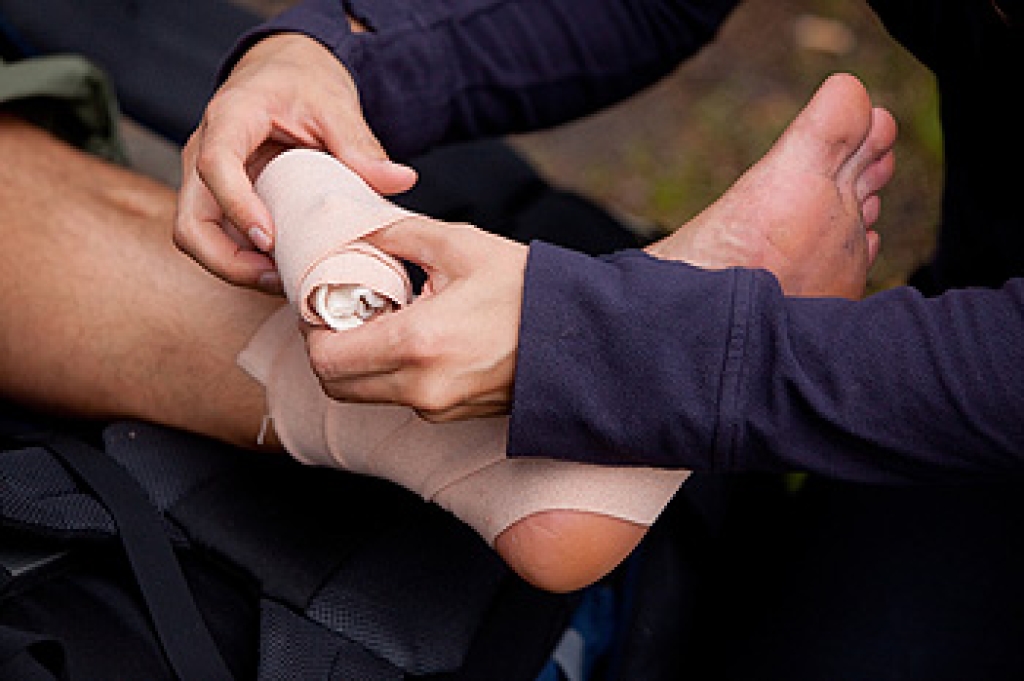
Just as the range of causes varies widely, so do treatments. Some more common treatments are ice therapy, rest, exercise, taping, and orthotics.

If you have any questions, please feel free to contact our offices located in Tavernier, Marathon, and Key West, FL . We offer the newest diagnostic and treatment technologies for all your foot care needs.
Read more about Cuboid Syndrome

Ankle Sprains Commonly Seen in Volleyball Players

Ankle sprains are one of the most common injuries in volleyball. The main causes are repeated jumping, sudden direction changes, and awkward landings near the net. The sprain often occurs when the foot rolls inward and stretches or tears the ligaments that support the ankle. Symptoms are immediate pain, swelling, and difficulty walking or placing weight on the foot. The ankle can feel weak, unstable, or stiff, especially during side-to-side movement. In some cases, a popping sensation is felt at the moment of injury. Volleyball players are at higher risk when playing on uneven surfaces, landing on another player’s foot, or returning to sports too quickly after a previous sprain. A podiatrist can examine the ankle, evaluate ligament damage, and determine whether imaging studies are needed to rule out fractures or more serious injuries. Treatment may include bracing, activity modification, or therapies designed to restore stability and reduce pain. If you have sprained your ankle from playing volleyball, it is suggested that you schedule an appointment with a podiatrist for appropriate treatment solutions.

Although ankle sprains are common, they aren’t always minor injuries. If you need your ankle injury looked at, contact John F. Torregrosa, DPM from Florida Ankle & Foot Institute. Our doctors can provide the care you need to keep you pain-free and on your feet.

How Does an Ankle Sprain Occur?

Ankle sprains are the result of a tear in the ligaments within the ankle. These injuries may happen when you make a rapid shifting movement while your foot is planted. A less common way to sprain your ankle is when your ankle rolls inward while your foot turns outward.

What Are the Symptoms?

  • Pain at the sight of the tear
  • Bruising/Swelling
  • Ankle area is tender to touch
  • In severe cases, may hear/feel something tear
  • Skin discoloration

Preventing a Sprain

  • Wearing appropriate shoes for the occasion
  • Stretching before exercises and sports
  • Knowing your limits

Treatment of a Sprain

In many cases, the RICE method (Rest, Ice, Compression, and Elevate) is used to treat ankle sprains. However, you should see a podiatrist to see which treatment option would work best with your injury. In severe cases, surgery may be required.

It is important to ask your doctor about rehab options after you receive treatment for your injury. Stretching, strength training, and balance exercises may help the ankle heal while also preventing further injury.

If you have any questions, please feel free to contact our offices located in Tavernier, Marathon, and Key West, FL . We offer the newest diagnostic and treatment technologies for all your foot care needs.

Read more about Ankle Sprains

Connect With Us